

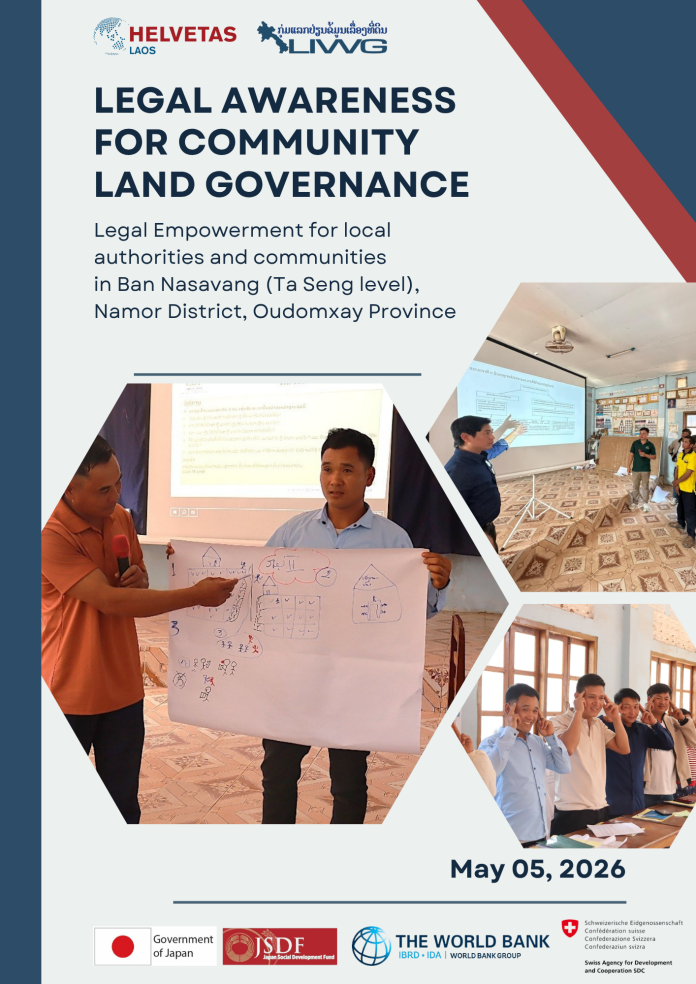
Legal Empowerment for local authorities and communities in Ban Nasavang (Ta Seng level), Namor District, Oudomxay Province
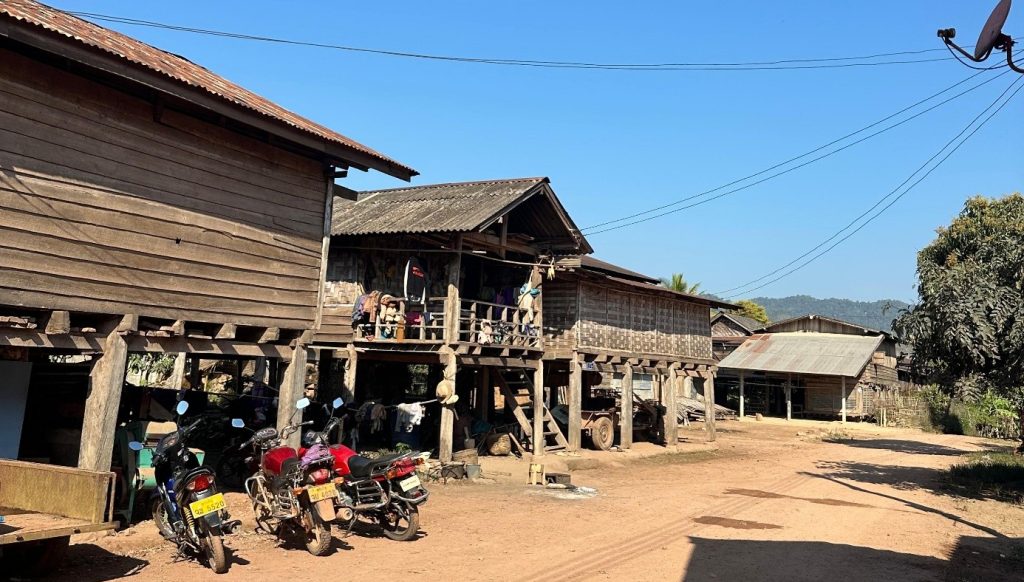
An overview of Ban Nasavang, where villagers regularly gather for community meetings and training activities. Photo: @helvetas/Soukkanhya Phommalangsy
From 11–14 February 2026, Community Development and Environment Association (CDEA) organized, under the overall PIASVC Project implemented by Helvetas Laos, a legal dissemination and capacity-building training in Ban Nasavang (Ta Seng Level), Namor District, Oudomxay Province. In this rural village, land is closely connected to people’s livelihoods and daily life. When land boundaries are unclear or when investment activities affect local areas, misunderstandings can sometimes turn into disputes between neighbors or between communities and outside actors. Strengthening legal understanding at the local level is therefore an important step toward helping communities manage these situations more confidently and peacefully.
Ban Nasavang is a village of approximately 992 people across 192 households, where most families rely on farming crops, upland agriculture, livestock raising, and collecting forest products to support their livelihoods. The community includes people from several ethnic groups, particularly in Yang, each with their own languages and cultural traditions. The village is located near protected forest areas, while some investment activities take place in nearby locations.
In this context, access to formal land documentation remains limited, and many households do not yet hold official land titles. At the same time, due to livelihood needs and historical land use practices, some community activities take place within or near protected forest areas. These conditions can increase the risk of misunderstandings, land-use conflicts, and challenges in clearly defining land boundaries.
Before the training, villagers and local authorities described several land-related challenges that occasionally arise. One of the most common issues involves boundary conflicts between farmers, where agricultural land overlaps and disagreements occur between neighboring households. In some situations, villagers also face difficulties when engaging with outside investors.
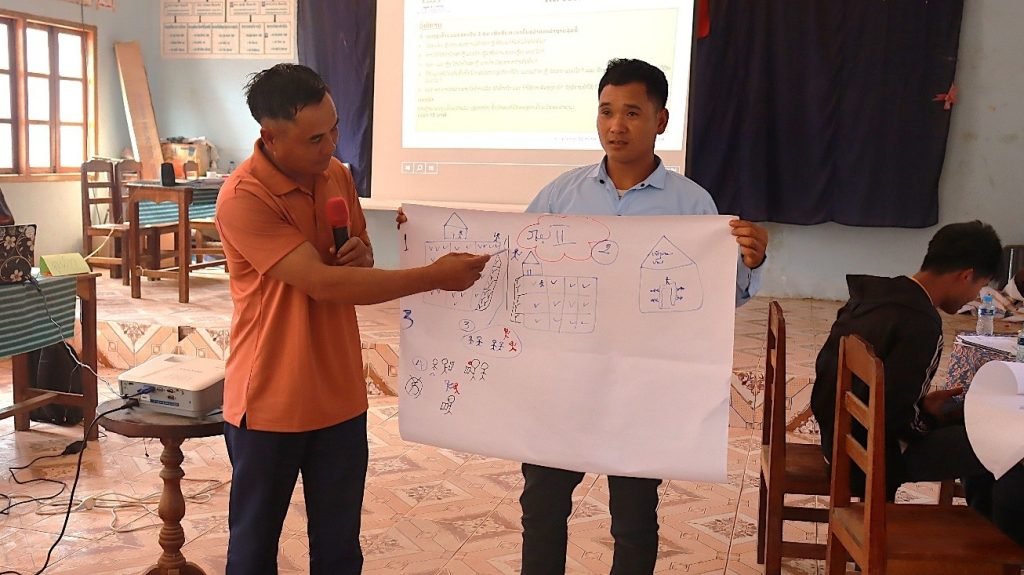
Communities work in groups to discuss common land disputes in their villages and share their experiences on how these cases can be addressed through mediation and access to justice. Photo: @helvetas/Soukkanhya Phommalangsy
Mr. Lee Xong, Deputy Chief of the village, shared:
“Some villagers were once promised land compensation by an investor, but the compensation was never provided. Because agreements were not clearly written or understood within the legal framework, it became difficult for villagers to negotiate or protect their rights.”
Experiences like this highlight how limited access to legal information can make it harder for communities to manage disputes or ensure fair agreements when investment activities take place. While many cases are addressed through village mediation mechanisms, local authorities shared that there are currently no outstanding unresolved cases in the village, reflecting the important role of community-based mediation in resolving disputes at the local level.
To support communities in addressing these challenges, CDEA organized, under the overarching PIASVC Project, legal awareness raising and training activities in the village. More than 30 participants, including village authorities and members of the Village Mediation Committee, joined the sessions to strengthen their knowledge of Customary Land Rights, Village Mediation and Access to Justice. The training was facilitated by trainers, together with district government officials who had previously completed Training of Trainers (ToT) at district level. A lawyer who is one of the project partner also provided technical guidance to help participants better understand legal procedures and justice-related processes
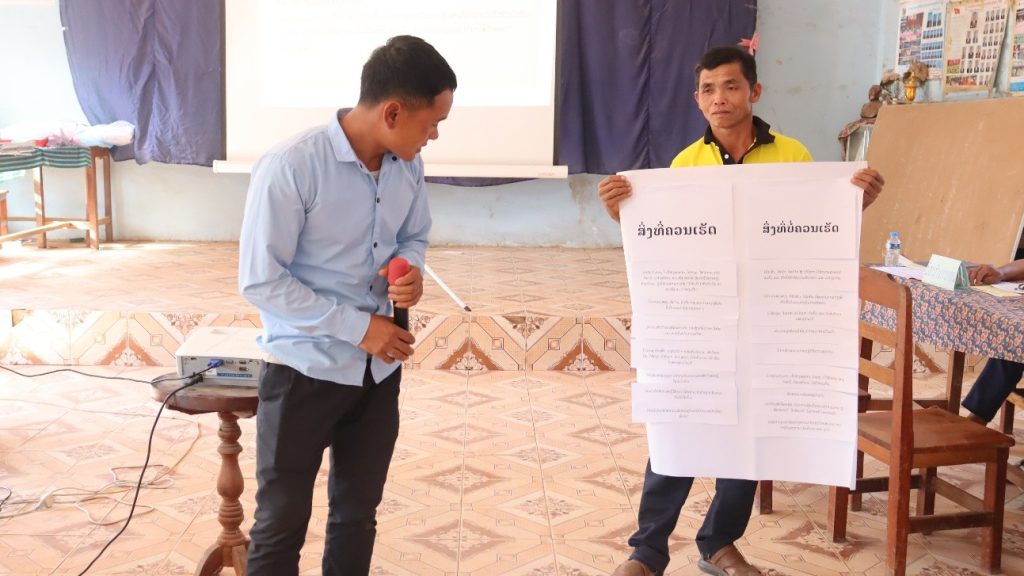
Communities discuss the roles and responsibilities of village mediators, including what practices are or are not appropriate and how to conduct interviews and document cases effectively. Photo: @helvetas/Soukkanhya Phommalangsy
Throughout the sessions, participants actively shared their experiences and discussed real situations that occur in their communities. Group exercises encouraged participants to work together to identify common land disputes and organize the steps required to address them, including mediation procedures and pathways for accessing justice. These activities helped participants connect legal concepts with practical experiences from their own villages.
Participants also reflected on how legal knowledge can help communities manage disputes more constructively
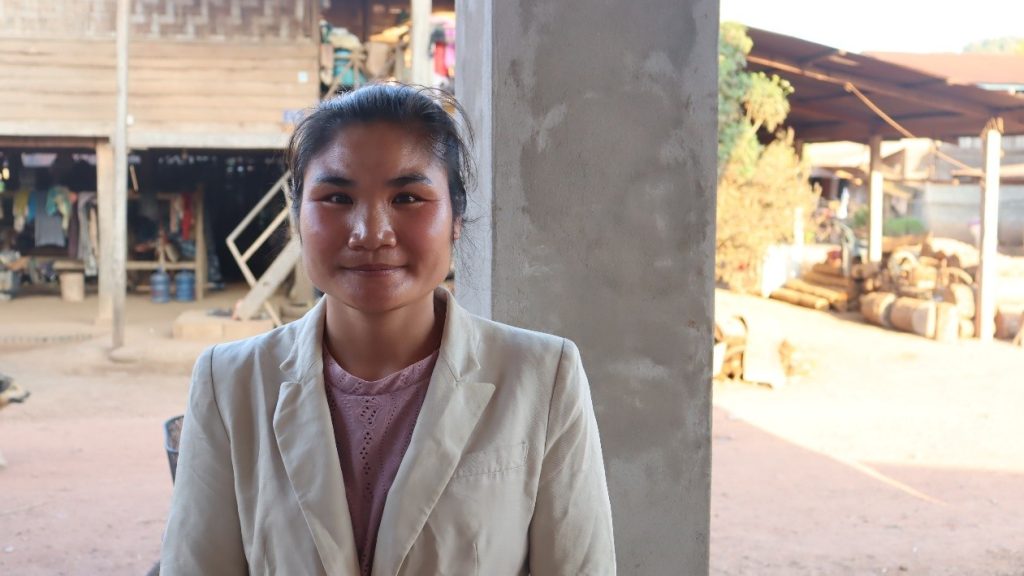
Ms. Bouasavanh, a participant in the training, shared: “When neighbors understand the law, it becomes easier to discuss problems, negotiate solutions, and reach compromises when disputes occur.” Photo: @helvetas/Soukkanhya Phommalangsy
As a result of the training, local authorities and mediation committee members strengthened their ability to document cases more clearly, guide villagers through mediation processes, and explain basic legal procedures. These skills can help reduce misunderstandings and support more effective dispute resolution at the village level.
The training is also part of a longer process of strengthening legal awareness within communities. With support from the PIASVC Project, trained participants will continue to share legal knowledge with other villagers and provide guidance when land-related questions arise. Follow-up coaching and continued dissemination of key legal topics of a project will help ensure that the knowledge gained during the training continues to benefit the wider community.
Through small steps like these, communities such as Ban Nasavang can gradually strengthen their capacity to manage land issues, protect their livelihoods, and work together toward fair and sustainable solutions and participatory land governance.